
Value engineering is a planning failure, while value optimising enables school budgets to work harder

Author: Daryl Stanley
Date: May 06, 2026
It’s an age-old problem. A learning institution sets out to redesign or refurbish space with a view to improving learning and impacting culture, but somewhere down the line, the budget reaches breaking point, and the spec has to be downgraded. The result? Money is saved in the short term, but in the long term, fixtures and fittings start to look worn, and outcomes aren’t achieved.
Learning pedagogies aren’t enhanced, culture remains unchanged, and learning spaces aren’t as flexible as they could be.

“Value engineering is usually a result of poor planning,” says Pinnacle Director Daryl Stanley. “It’s also really common and typically happens partway through a project when those involved realise that there’s a misalignment between budget and ambition. It can also be an expensive mistake, and the fact is, with proper planning, it doesn’t have to happen.”
The key lies in engaging the right partners early on, so that costs are planned for rather than a nasty surprise that derails a project.
Traditionally, projects involve architects, quantity surveyors and project managers, each adding a percentage to the cost. “Sometimes, up to 20% can be added to the cost in professional fees alone without a single physical thing being delivered,” says Daryl. “There can be a lot of back and forth before a cost is estimated. What we do is offer design and delivery under one roof. We ensure that what is designed is deliverable and costed realistically. This means there’s no need for a value engineering phase.”
The hidden cost of value engineering
There’s a misconception that value engineering protects budgets - in the long term, that’s rarely the case.
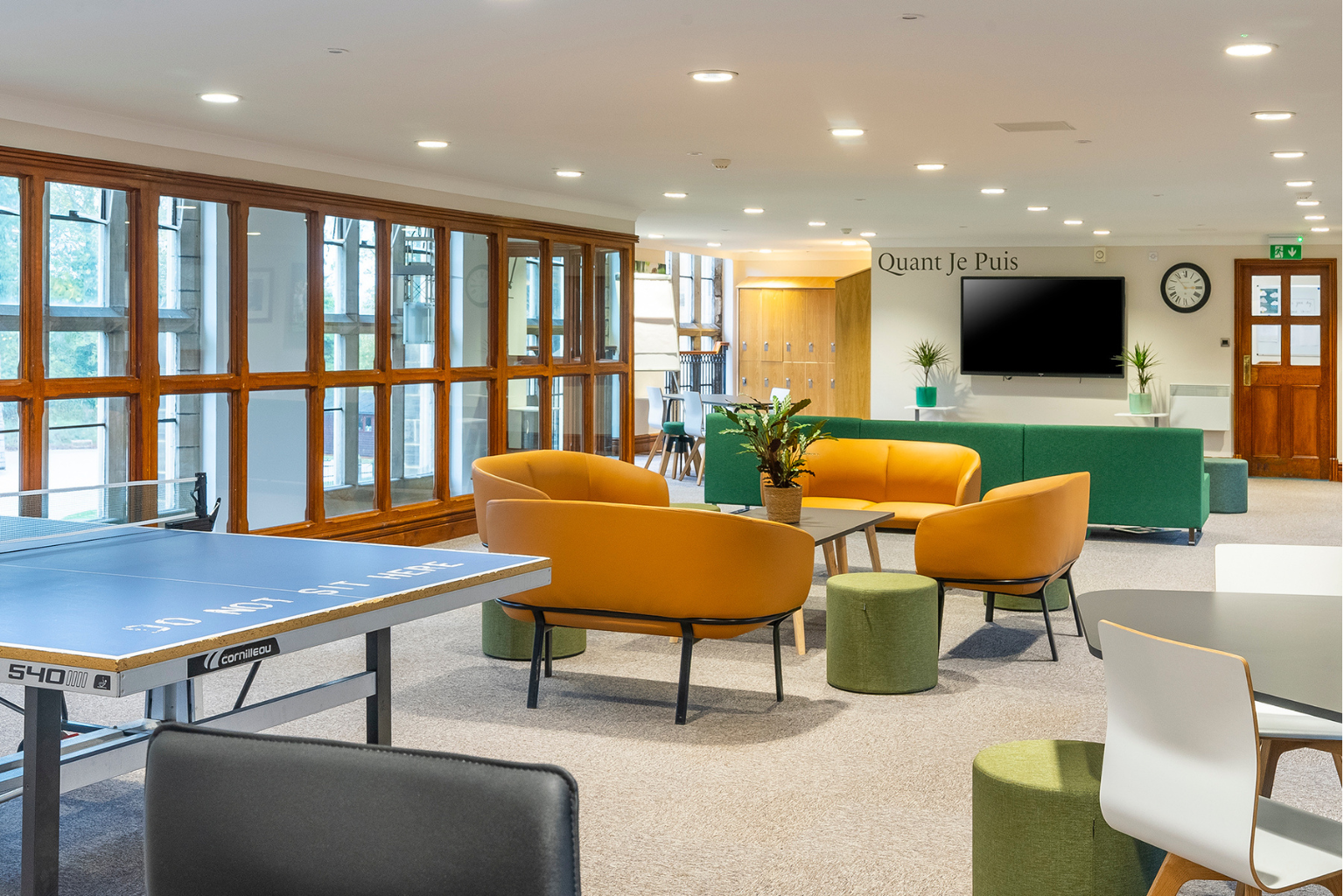
Daryl says, “I’ve seen a project where the school had really good quality furniture in a breakout space, but upholstered it in cheap fabric. Within 12 months, it looked worn - the fabric was sagging, frayed and marked. There was other furniture in the same space that was five years old; it wasn’t even from a premium supplier, but it was upholstered in a premium wool-based fabric, and still looked new.
“We also heard from an estate in Wales that was constantly replacing chairs. We advised them to switch to a more durable, education-specific chair, and they haven’t had to buy a single replacement in 10 years.”
These are clear examples of how small cost-cutting exercises can have a detrimental and often expensive impact. A cheaper chair, for example, might appear functional, but if it isn’t made for educational use, it probably won’t support posture, comfort and concentration.
Stonyhurst College
Value optimisations and achieving outcomes
Value optimisation is about making better decisions at the start of a project. It begins with asking questions about outcomes - what does the school want to achieve with the redesign? It’s important to get clear on which of these results is non-negotiable.
When there isn’t clarity on outcomes, the budget gets spread too thinly across everything, and nothing is done really well.
Daryl explains: “It’s better to do less properly than to try and do everything at a mediocre level. Take signage and branding, for example. They aren’t particularly expensive to do well, but done badly, they make a big difference to a school’s culture and identity.
“If budget is tight, it’s best to be very clear about your priorities and align spending as closely as possible to them. This ensures that compromises don’t affect key priorities.
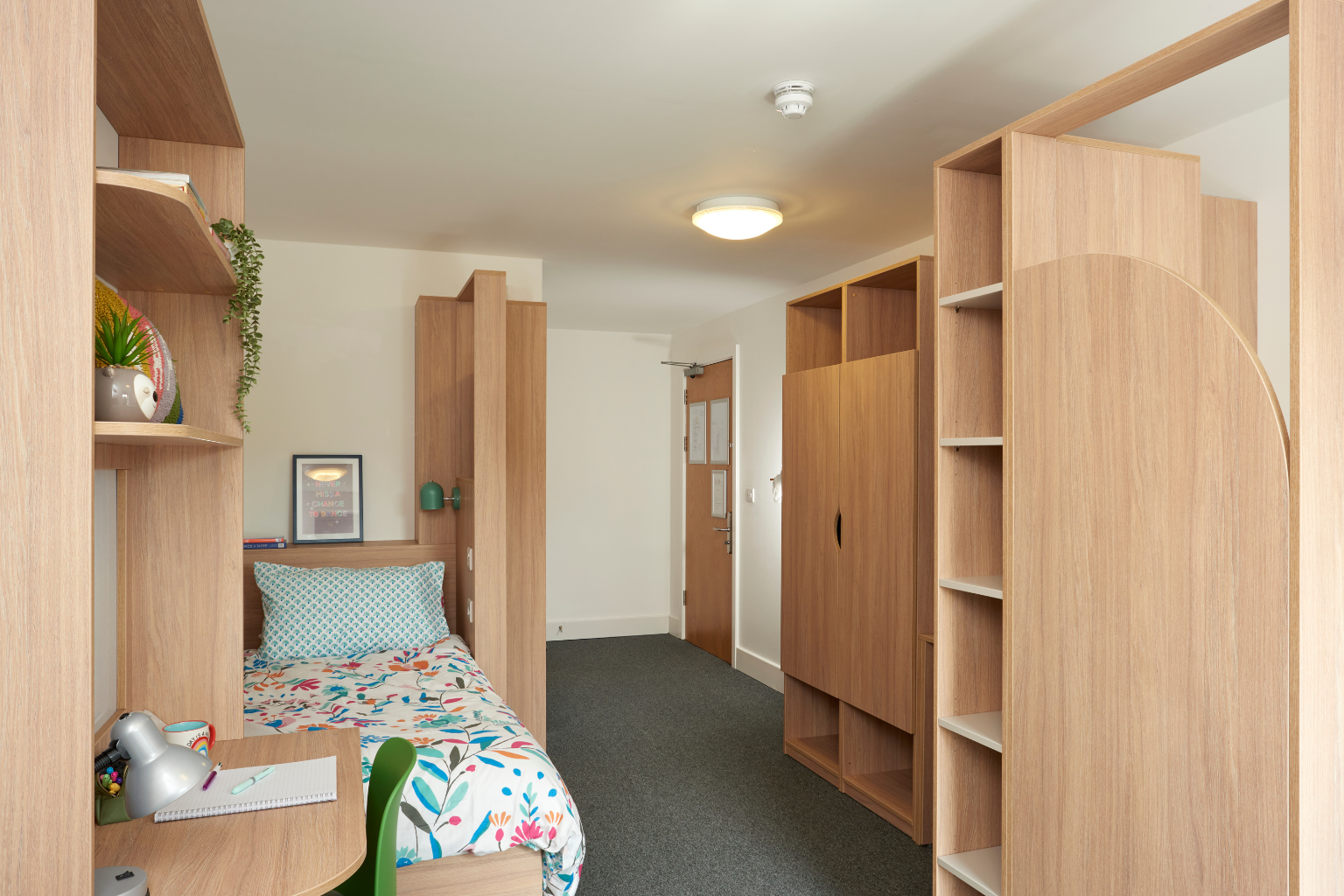
“Also, think about cost vs. impact. We’ve worked on boarding school spaces where the beds are screened, allowing pupils to sleep in privacy. That’s a nice-to-have, and it’s not particularly expensive, but it makes an enormous difference to the students’ experience.”
Nord Anglia Education
Define the school’s version of success clearly
One of the biggest missed opportunities in school redesign is failing to define success clearly at the outset. What does “better” actually look like? Is it improved behaviour, more flexible teaching, better staff retention, or stronger student engagement? Without that clarity, decisions become reactive rather than strategic.
Daryl adds: “If you’re not clear on your outcomes from day one, you end up making decisions based on cost rather than impact. And that’s when you start cutting things that actually matter. The best projects are the ones where the vision, the budget and the outcomes are aligned from the very beginning.”
Woolmer Hill School
Five ways to optimise value
It’s possible to value optimise even when budgets are really tight. Here are 5 ways to do it -
1. Match vision and budget early - be clear about what you want to achieve and get a realistic costing as early as possible. This removes the need for compromise later.
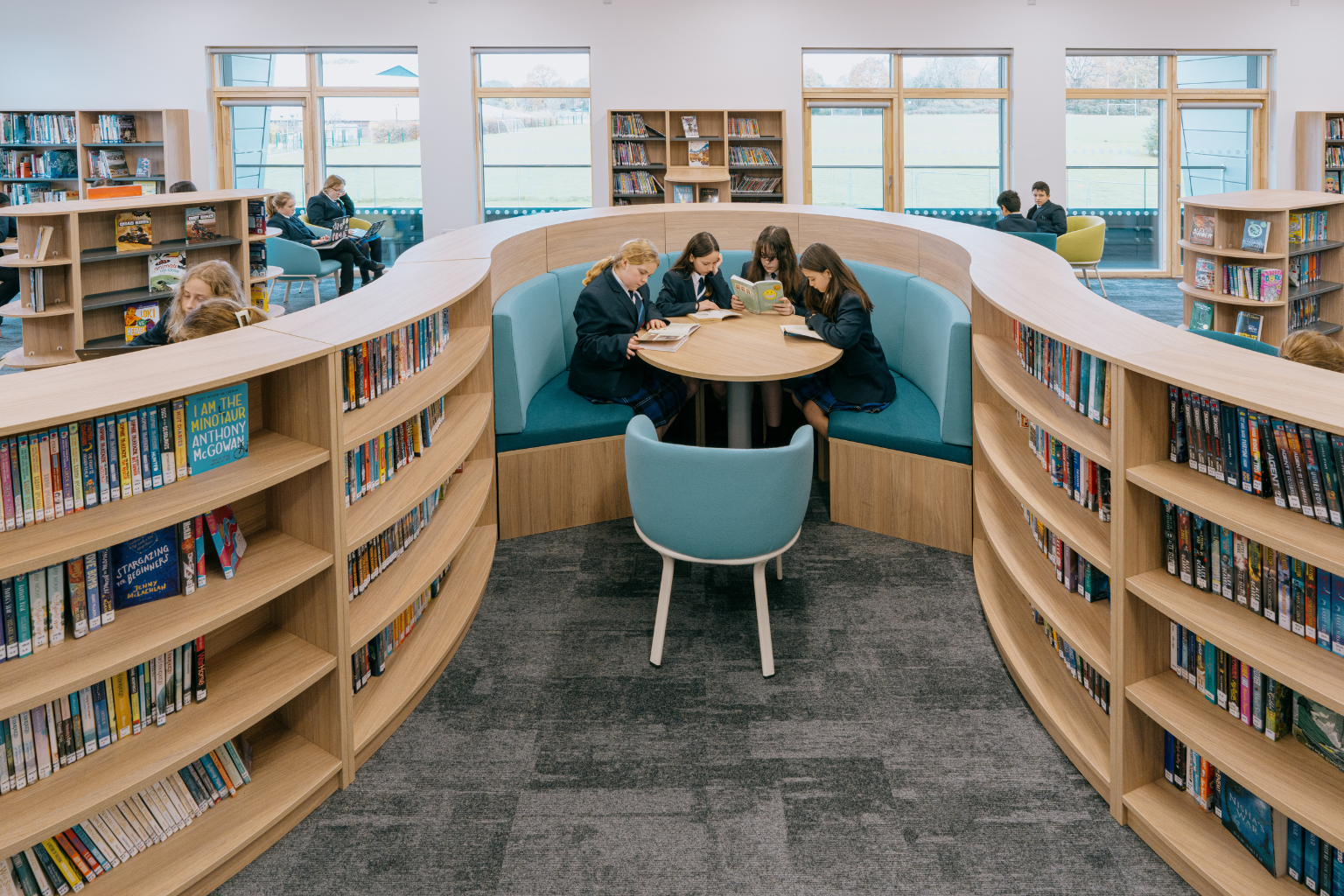
2. Invest in function over finish - a space that looks incredible but doesn’t support modern teaching methods is money wasted. Prioritise layout, flexibility and usability.
3. Lifecycle before upfront cost - think ahead. Cheaper products will need replacing sooner and may not represent good value.
4. Choose the right partners - work with a team that can align your vision with your budget from the start.
5. Spend wisely - be selective about where you spend money. Look for areas that will have the biggest impact on teaching, learning and culture.
Conclusion
Value engineering shouldn’t be seen as part of the design process - it’s a sign that something has gone wrong early on.
When schools take the time to define outcomes, match them with budgets and work with partners who understand design and delivery, there’s no need for compromise later on.
Related Blogs and Whitepapers

Mitigating risk with FF&E project management in school construction
Andrew Ball • May 14, 2025

Why investing in learning environments pays off
Clair Shaw MA • May 14, 2025

What can schools learn from modern office design?
Roger Thomson • January 27, 2026