
International school franchising: the challenge of scaling British education globally

Author: Daryl Stanley
Date: January 29, 2026
British education is one of the UK’s most successful exports, with approximately 15,000 English-speaking international schools worldwide, educating up to 7 million students, and those numbers continue to rise. Almost 50 UK independent schools now operate, or have announced plans to establish, international campuses, reflecting huge global demand for a British-style education.
According to Pinnacle’s managing director, Daryl Stanley, the speed of expansion brings real challenges. “There is a lot of private equity investment in the private school sector, and that creates pressure to scale,” he says. “We’ve worked on projects around the world, including in Lagos, Nigeria, as well as Denmark, Germany and Switzerland, and the main challenge is always the same: how to grow in a way that is manageable while still delivering a high-quality, consistent experience.”

Economics is fuelling international school growth
The speed of this expansion is being fuelled by economics as much as aspiration. UK independent school fees now typically range from £15,000 to £30,000 per year for day pupils, and £30,000 to £50,000 for boarding, plus, from Jan 2025, parents have had to pay 20% VAT on top.
In many parts of Europe, the Middle East and Asia, English-speaking international schools charge between £10,000 and £25,000 a year. “With the way UK fees have gone up and with VAT being applied, families are starting to do the maths and some of them are realising it may actually be cheaper to send their kid overseas to a British international school than keep them in a UK boarding school,” says Daryl.
With rising demand, investor backing and intense competition to secure the best location, the pressure to move quickly is immense, and the faster international school franchising occurs, the harder it is to maintain consistency.
International School Zurich North
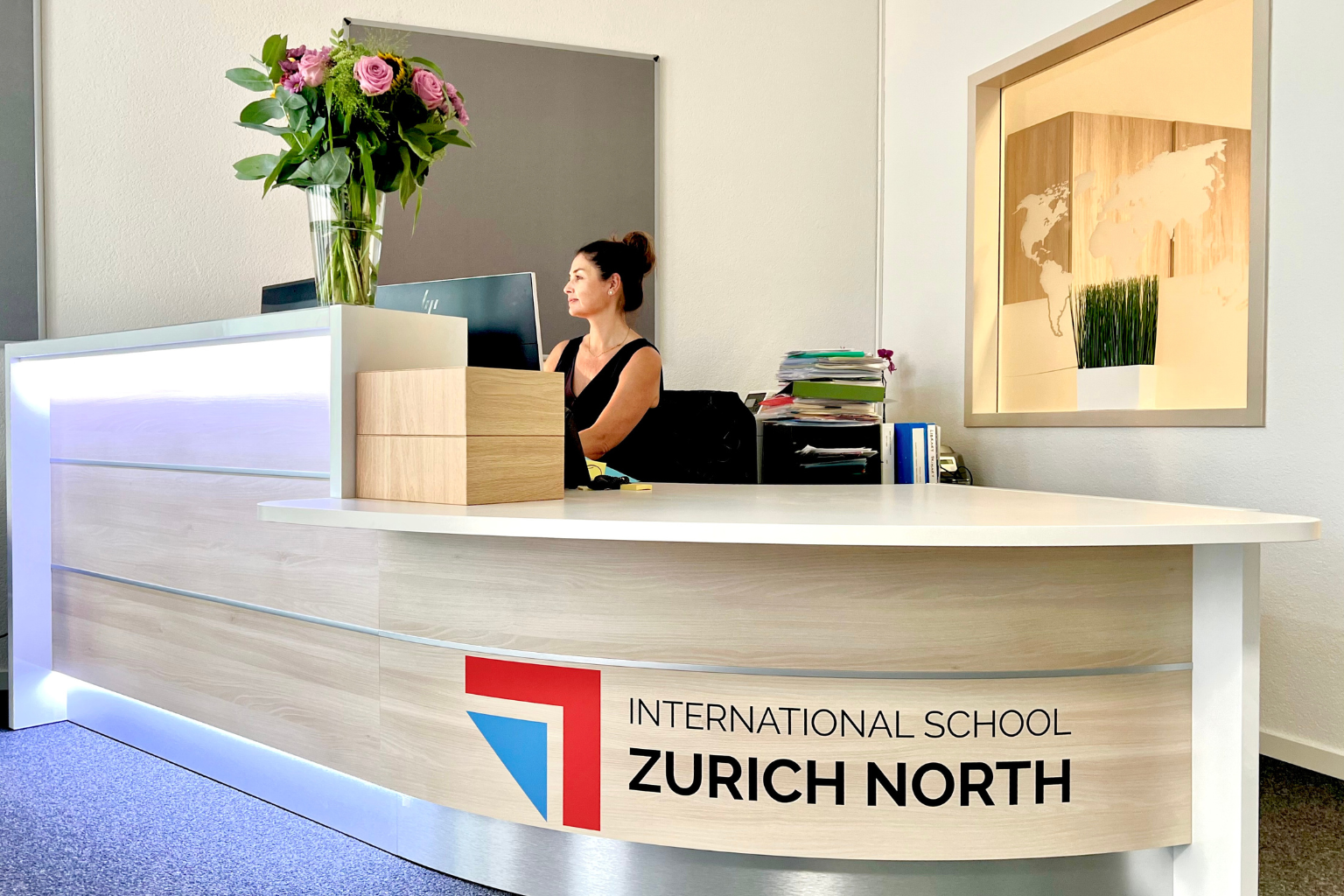
Brand identity is central to international school franchising
Brand identity is key. “There should be differences between a particular school in Berkshire and campuses in Dubai and Singapore,” Daryl says. “The brand should be consistent, but the way it’s expressed needs to reflect the local culture.”
This is where many international school franchises struggle. Without clear systems, each new campus risks becoming a one-off, rather than a true extension of the original school brand. When brand integrity isn’t maintained, the international extensions lose the gravitas associated with the original UK school, risking lower admission from international clients who have grown to love and respect it.
Detailed guidance documents are key to scaling schools successfully
The most successful groups avoid this by creating detailed guidance documents. These go far beyond logos or colour palettes. They define how learning spaces should be zoned, how classrooms and hubs are laid out, which furniture supports pedagogy, how acoustics and lighting should perform, and how technology is integrated into everyday learning.
“It’s not just about how things look,” Daryl says. “It’s about making sure the learning pedagogy is embedded in the physical environment. The guidance framework includes visual concepts, architectural components, lighting, and so on. It’s very detailed, you will usually have, for example, specified flooring finishes, wall colours and joinery.”
A strong guidance framework means a school doesn’t have to reinvent itself every time. It can open in a new country and still deliver the same educational experience that parents expect from the brand.
“You don’t need to refurbish everything at once,” Daryl explains. “What matters is getting the guidance in place, so that every future project follows the same principles.
International School Zurich North
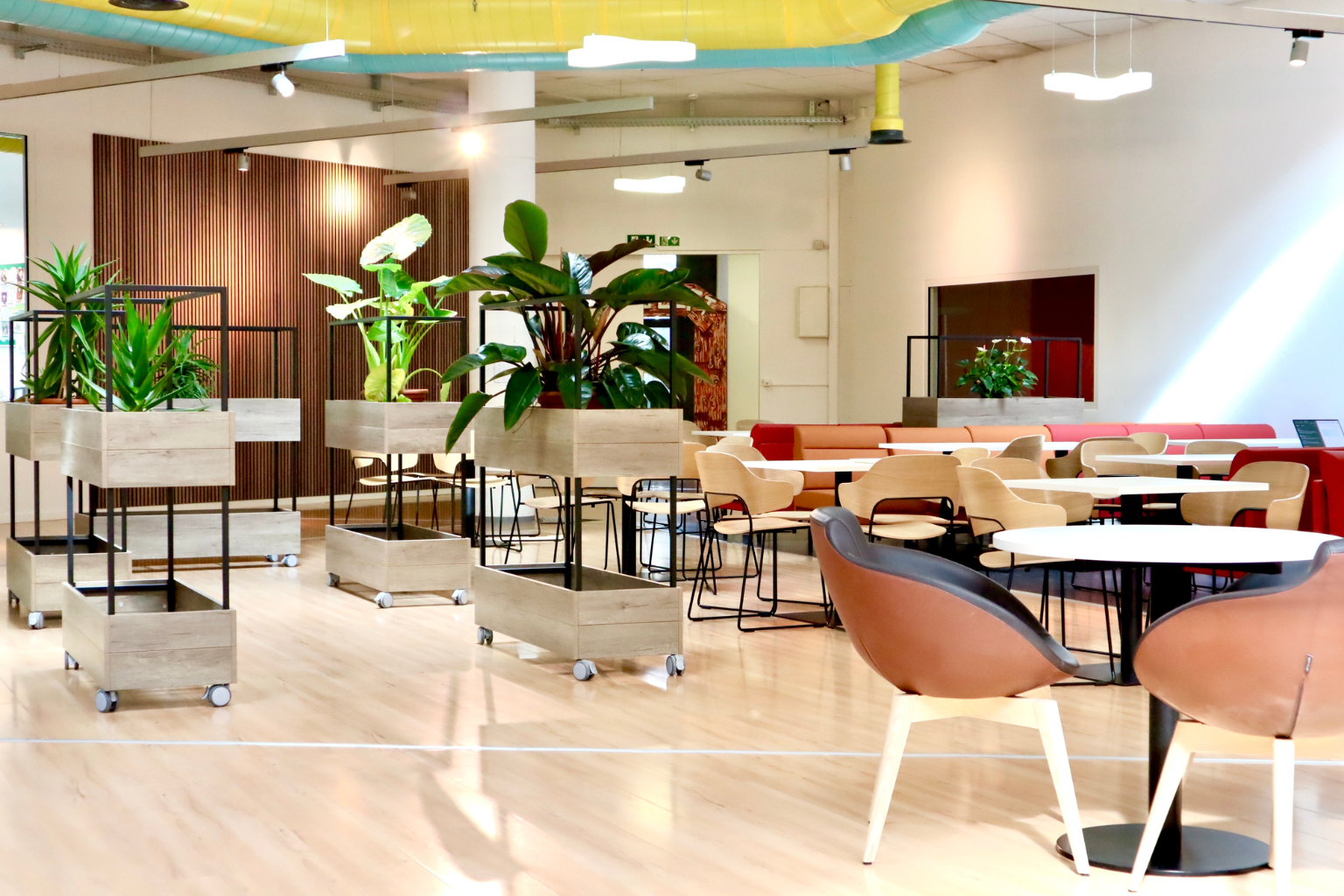
Consistency is harder in global education markets
Even then, delivering consistency across continents is not straightforward. In much of Europe, high-quality educational furniture and finishes are readily available. In regions such as West Africa or parts of the Caribbean, they are not.
“In some places, everything has to be imported,” says Daryl. “The local supply chain simply isn’t there for high-quality education environments. We work with manufacturers across Europe at Pinnacle. We know the furniture is made to a very high standard, it’s durable, and it can be shipped anywhere in the world. This is particularly important if you’re setting up a school in Dubai or West Africa. You want to know that the furniture is the same as it would be in the UK.
“In the USA, furniture is locally sourced, but the principles will remain the same. We’ll adjust some of the specifications to fit with more locally sourced products, but the look and feel will remain consistent.”
International School Zurich North
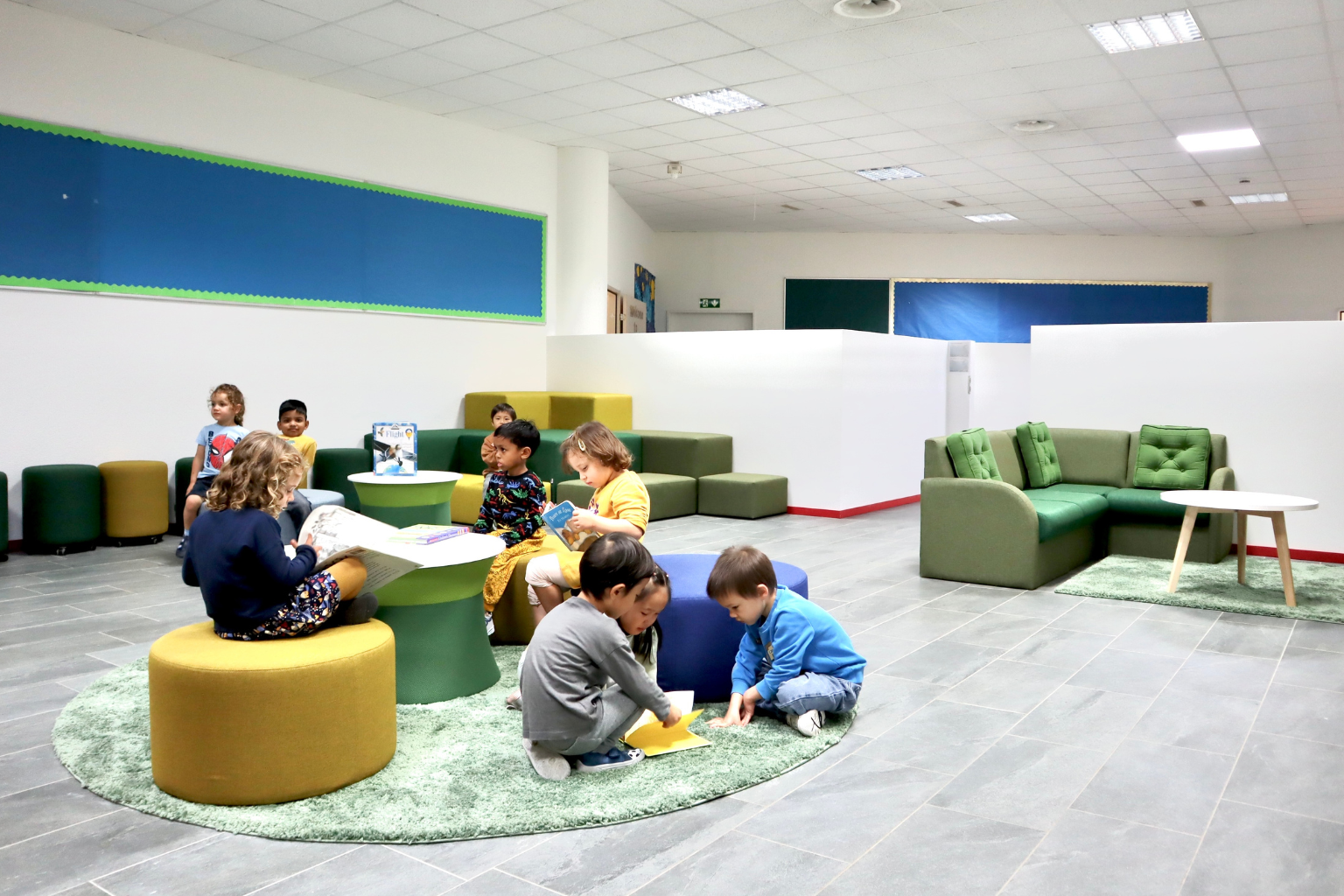
Why FF&E is the foundation of successful school franchising
For international school franchising to be done well, FF&E coordination is critical. It cannot be an afterthought; it has to be the foundation of consistency.
“The furniture, fixtures and equipment are integral to the design and not just something you put in the rooms at the end,” Daryl says.
When done right, it means that a parent stepping into a school in Singapore, Dubai or Zurich will trust that it will deliver the same standards, ethos and outcomes as the flagship campus in the UK.
“If you walk into a Starbucks anywhere in the world, you know exactly where you are,” Daryl says. “That’s what international schools are aiming for.”
The opportunity is enormous, but the schools that succeed will be the ones that understand that rapid growth is not just a commercial opportunity, it is a design, delivery and consistency challenge that must be managed with care.
Related Blogs and Whitepapers

Classroom design and layout: 6 ways to create flexible learning spaces in your school
February 25, 2025

How To Cater For Social Distancing And Other Measures In School Design
July 26, 2022

Pinnacle Named Top-Ranked Supplier For Fitted Furniture On New DfE Furniture Framework
July 26, 2022